
Contact Floq: Surveys, RFPs & Onboarding
Reach out to Floq for survey questions, client onboarding, RFP submissions, feedback, or career conversations.
We're Glad You Reached Out
Good contact pages save everyone a few rounds of guessing, so here is the practical version of how to get in touch with us.
Floq works with teams that need clearer surveys, better respondent experiences, and useful reads on customer or market signals. Some messages come from founders testing an early question set. Some come from research, product, or strategy teams that already have a formal scope. Others are just a quick note: does this survey make sense, are we asking the wrong thing, can Floq help us compare results over time?
Send general messages to [email protected]. If your note is about a formal buying process, use [email protected]. Career-related messages should go to [email protected].
Questions, Feedback & General Inquiries
The most useful first message usually answers three things: what you are trying to learn, who you need to hear from, and what decision the survey will support.
A common mistake is sending only the questionnaire. The questions matter, but the surrounding context matters more. A customer satisfaction survey for an onboarding team reads differently from one built for renewal planning. A founder survey for early market validation has different constraints than a benchmark study run every quarter.
For survey questions
Share your draft, target audience, sample size goal, and how the results will be used. If you already know the channel, include that too.
For feedback
Tell us what felt unclear, slow, or surprisingly helpful. Specific notes are easier to act on than broad praise or frustration.
For partnerships
Describe the audience, research theme, timing, and whether the work is a one-off collaboration or an ongoing program.
We read for intent first. You do not need to write a procurement memo to ask a practical question.
How Client Onboarding Works
Onboarding starts with scope, not software. Before anyone builds a survey, we want to understand the decision behind it. That keeps the work grounded when opinions start multiplying.
1. Intake and fit
We review your goal, audience, timing, and constraints. If Floq is not the right fit, we will say so early rather than stretch the brief.
2. Research framing
We turn the business question into a survey plan: core measures, segmentation needs, answer formats, and any benchmark or tracking requirements.
3. Build and review
The draft gets checked for wording, flow, length, and respondent fatigue. This is where small edits can prevent messy data later.
4. Launch and readout
After launch, we help interpret patterns, not just counts. The goal is a readout your team can actually use in planning.
Two onboarding paths are common. Some teams arrive with a finished survey and need review, setup, or measurement discipline. Others bring only a decision problem and need help shaping the research from scratch. Both can work. The better choice depends on how much confidence you already have in the questions.
Submitting a Request for Proposal (RFP)
For formal RFPs, send materials to [email protected]. Please include the submission deadline in the subject line if the timeline is tight.
RFPs are easier to evaluate when the scope separates must-haves from preferences. We look for the audience definition, expected deliverables, required methods, timeline, security or privacy requirements, and decision criteria. If you are comparing vendors, tell us what matters most: questionnaire design, respondent experience, benchmark structure, reporting cadence, or hands-on support.
We do not pad proposals with every possible feature. A useful response should explain how the work would be run, where the risks are, and what the team would need from you to keep the project moving.
Career Opportunities at Floq
Career notes are welcome, even when there is no public role posted. Floq is a better match for people who like turning fuzzy questions into clean research plans, writing plainly, and checking the details that make data usable.
When you write to [email protected], send a short note about the kind of work you do best. A resume is helpful, but two or three examples of relevant judgment are often more useful: a survey you improved, a messy research request you clarified, a customer insight that changed a product or strategy choice.
Research judgment
You can spot leading questions, vague answer choices, and measures that will not survive interpretation.
Clear writing
You can explain research trade-offs without hiding behind jargon or overloading a stakeholder with caveats.
Client steadiness
You can keep a project practical when timelines shift, priorities collide, or a team wants one survey to answer five decisions.
The People You'll Be Working With
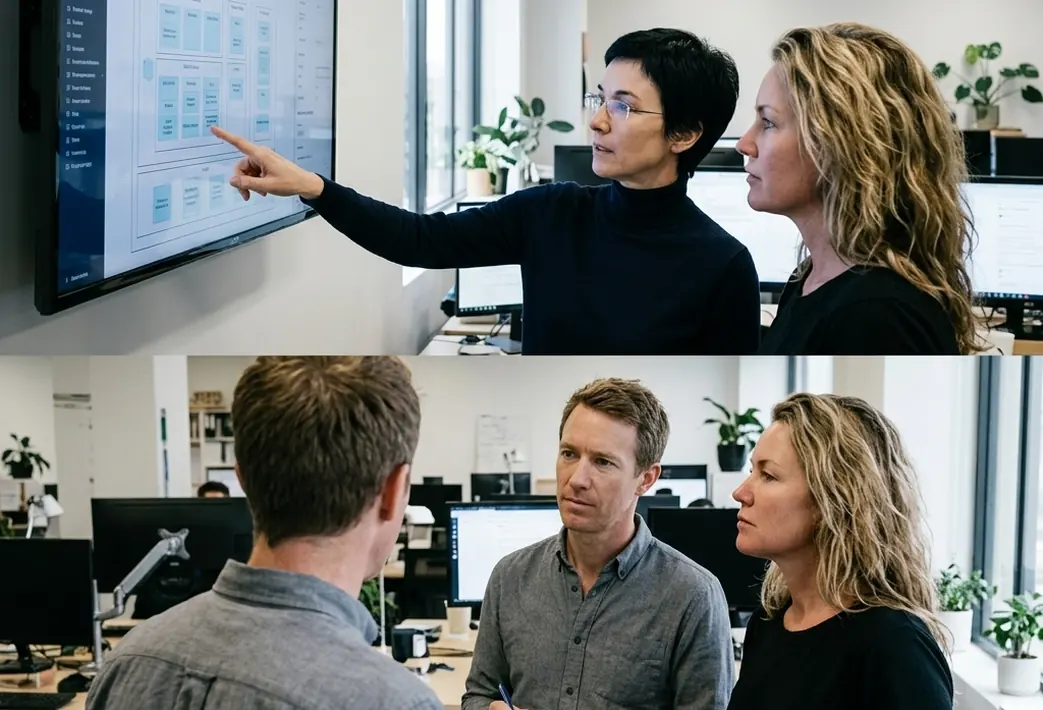
Floq projects tend to be hands-on. You are likely to work with people who care about question wording, sample reality, analysis structure, and the final readout. That mix matters because survey work can go sideways quietly. A question can look harmless and still push respondents toward an answer. A dashboard can look tidy and still miss the decision.
If you want a broader sense of who we are and how we think about the work, visit About Floq or meet the group on Our Team.
We keep the working style direct: clarify the decision, build the research around it, and explain what the results do and do not support. Not every survey needs a heavy process, but every survey benefits from someone asking what the answer will be used for.
What to Expect: Response Times & Scope
Most messages receive a reply within about two business days. RFPs and more detailed project notes can take longer, especially when the scope involves multiple audiences, tracking waves, or data handling requirements.
If your request is simple
A short answer may be enough. We may ask one or two clarifying questions, then point you toward the next practical step.
If your request is complex
We may suggest a scoping conversation by email first. That helps avoid a proposal built on assumptions neither side has checked.
Scope is not just project size. It includes the sensitivity of the topic, the audience you need to reach, the confidence you need in the findings, and how many decisions the survey is expected to support. A small survey can still need careful design.